

A network of sites, not a single sensor
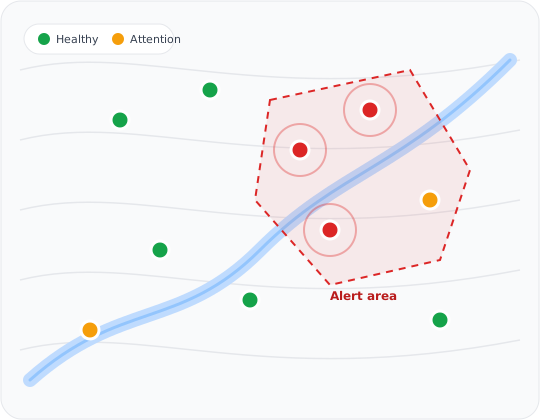
Each device sits where it sees the most useful thing. This is an illustrative layout; every deployment is designed around the real site.
- 1Upstream stationDoordrishti
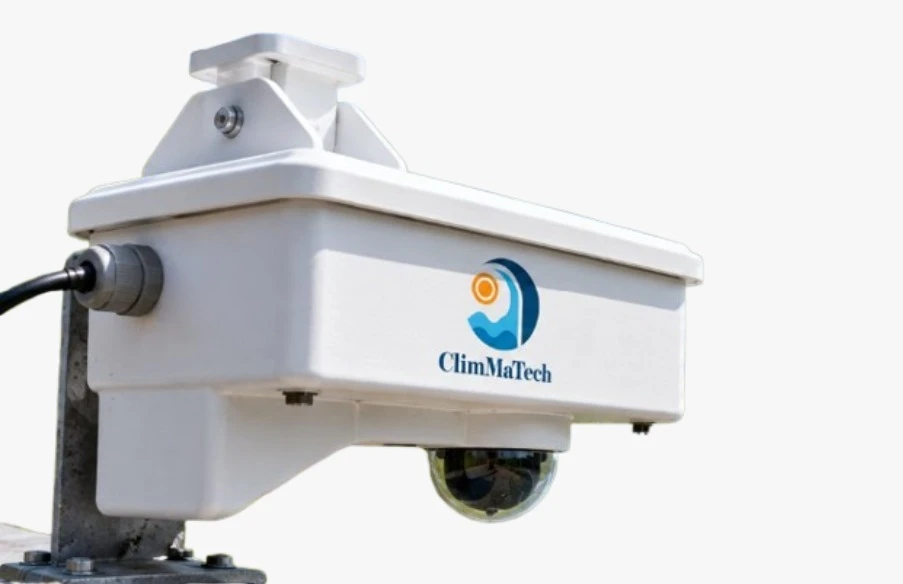
Watches the river with radar and a camera, and picks out sudden changes such as a rapid rise or debris on the device itself.
Why here: It sees the flood first, at a remote spot nobody is watching, and keeps working if the network drops.
- 2Mid-river bridgePravaah
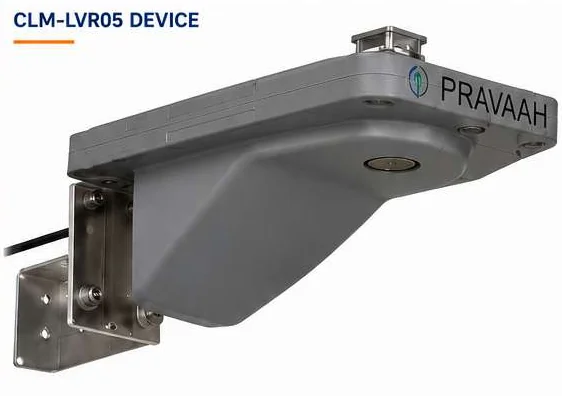
Measures water level and surface velocity at the same point.
Why here: Level says how high the river is. Speed says how quickly it is coming. Together they turn a reading into an arrival time.
- 3Village approachRakshak
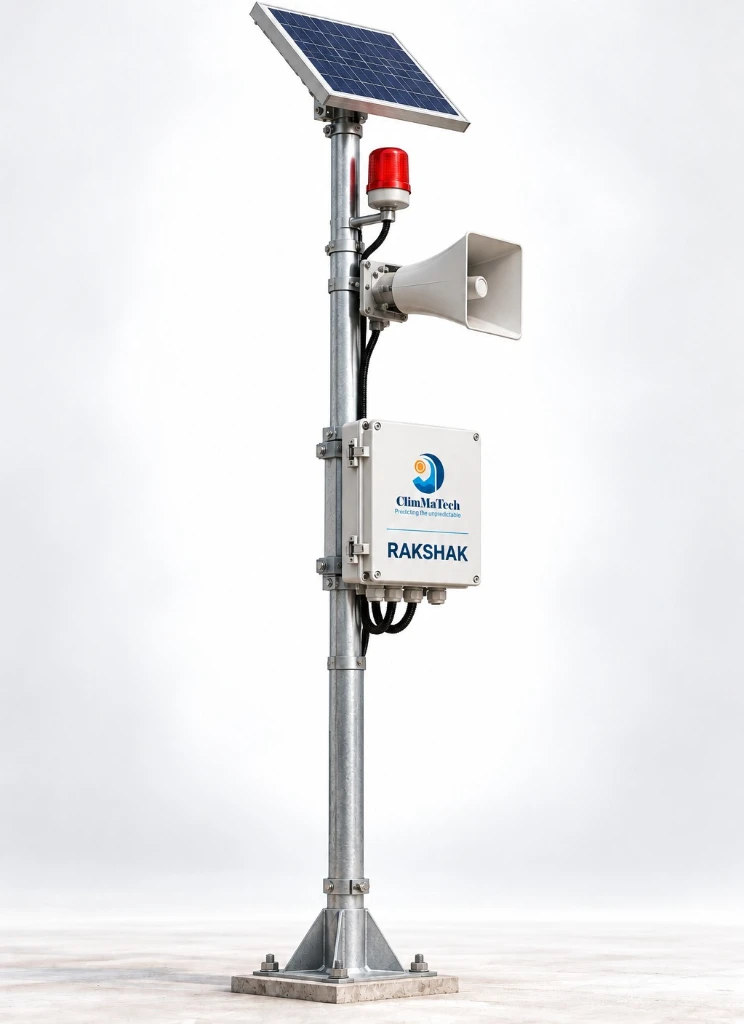
Sounds the siren and plays the voice message when a warning is triggered.
Why here: Reaches everyone within earshot, including people without a phone or signal.
From observation to action
Observe
Sensors upstream and along the river report water level, flow speed and events as they happen.
Decide
A rising level upstream, together with how fast the water moves, shows when it will reach the community. Thresholds you set decide when a warning goes out.
Act
Sirens sound at the village, phones are alerted, and operators approve and track the warning.
Each part covers what the others cannot
Upstream sight, downstream sound
Sensing far upstream and a siren at the community give the longest gap between the first sign and the alarm. Lead time ranges from 30 minutes to 48 hours, depending on upstream conditions.
Level and speed, not level alone
Adding flow speed to water level shows how quickly a flood is moving, not just that the river is high.
Works when the network does not
Detection runs on the device, and sirens can be triggered over the mobile network or LoRa, depending on the site.
People with and without phones
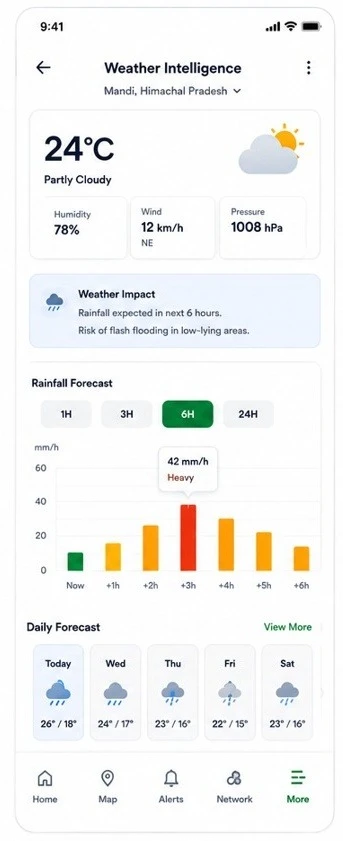
Sirens warn the whole community. Aagah puts forecasts and warnings on phones.
A river can rise faster than a village can react
Flash floods arrive faster than people can react. A river that looks calm upstream can reach a village within hours, and without warning, homes, crops, roads and power lines are lost and lives are at risk.
Warning before the water arrives
By combining real-time sensor telemetry with predictive modeling, ClimMaTech forecasts water-level trends and issues alerts with a lead time of 30 minutes to 48 hours, depending on upstream conditions. This gives authorities time to evacuate populations, reroute traffic, and secure critical infrastructure before the flood crests.
Explore the platformBuilt from these components
We recommend placing Doordrishti and Pravaah units upstream, connected to Rakshak sirens in the communities downstream.
A path you can follow step by step
Start at the most exposed village
One upstream Doordrishti, one Pravaah on the nearest bridge and a Rakshak siren at the village.
Extend along the river
Add sensing points further upstream for more lead time, and sirens for more communities.
Run it as a network
Add the Rakshak Control Centre to operate every siren and approve live alerts, and Aagah so residents get warnings on their phones.
Frequently asked questions
What is a flood early warning system?
A flood early warning system observes a river upstream, decides when a warning is needed, and sounds the alarm in the community. ClimMaTech combines radar sensors, Rakshak sirens and the Aagah app so that each step happens automatically.
How much warning time does a system give?
It depends on the river. Warning times range from 30 minutes to 48 hours, depending on upstream conditions and how far upstream the first sensor sits.
How much does a flood early warning system cost?
Our systems are designed to be low cost. The price depends on how many sites you monitor and which devices you choose, so we prepare a proposal for each project. Tell us about your site and we will suggest a layout and a quote.
Does it work where there is no mobile network?
Yes. Devices can use GSM (2G / 3G / 4G), LoRa or VSAT, chosen for each site, and the sirens run on solar power with battery backup.
Can the sirens work with our existing monitoring system?
Yes. Rakshak accepts authorised alert commands through an open API from any monitoring system or server, so it can be added to a system you already have.